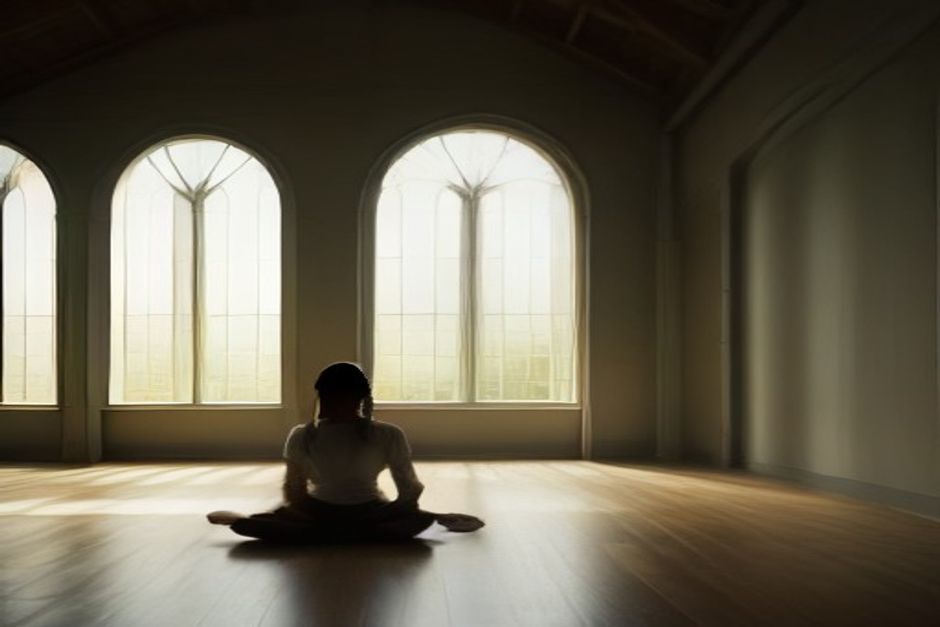
Vipassana has a reputation. People return from ten-day courses and use words like "life-changing" and "brutal" in the same sentence, which makes it hard to know what the thing actually is. So let's be plain about it: vipassana is a meditation technique from the Buddhist tradition that trains you to observe your own experience — body sensations, mostly — without reacting to them. That's the whole trick. Simple to describe, not easy to do.
The word vipassana is Pali and means roughly "to see clearly" or "insight." The idea is unglamorous: most of our suffering comes from automatic reactions — chasing pleasant feelings, flinching from unpleasant ones — and if you watch those reactions closely enough, they loosen their grip. You don't have to buy any metaphysics to test this. It's an experiment you run on yourself.
What the practice actually is
In the most widely taught modern style (the S.N. Goenka tradition, which runs donation-based courses worldwide), the technique unfolds in stages:
- Anapana — breath awareness. The first few days are just watching natural breath at the nostrils. Not controlling it, not counting it — observing. This builds the concentration muscle you'll need. (If you want a gentler version of this step, breath counting is a close cousin.)
- Vipassana proper — sweeping the body. You then move attention slowly through the body, part by part, noticing whatever sensation is there: pressure, tingling, heat, itch, nothing at all. The instruction is to observe without reacting — not to scratch the itch, not to chase the pleasant tingle, just to note and move on.
- Equanimity. The point of all this sensation-watching is training even-mindedness: pleasant and unpleasant both pass, and you practice not being yanked around by either.
That's it. No visualization, no mantra, no deity, no special states to achieve. It's deliberately dry. The dryness is the point — there's nothing to entertain the mind, so the mind finally shows you its own habits.
What a 10-day course is really like
The classic introduction is a ten-day silent residential course. Here's the honest version of what that means:
The schedule is a lot. Wake-up bell around 4 a.m., roughly ten hours of sitting meditation per day, lights out at 9:30 p.m. Two meals — breakfast and lunch, no dinner (new students get fruit and tea in the evening). No phone, no books, no writing, no talking, no eye contact with other students. No yoga asana either, which surprises people — your mat stays home.
The first three days are mostly physical. Your back aches. Your knees complain. You sit down for the seventeenth hour and your body files a formal protest. This is normal and it passes for most people — though if you have a genuine injury, tell the course staff; chairs and back support are available, and as we say about meditation posture generally, nobody grades your lotus.
Somewhere in the middle, your mind gets loud. Without input, the brain replays everything: old arguments, embarrassing moments from 2009, imaginary arguments you haven't had yet. Days four to six are famous for this. It's uncomfortable, and it's also the material the practice works with. You're not failing; you're watching the machine run.
Silence turns out to be the easy part. Most students report that not talking is a relief. The hard part is sitting still with yourself, which no rule can help with.
On day ten you can talk again, and the chatter feels strangely loud. People often leave calmer, clearer, and with sore hips. Some leave transformed; some leave mostly relieved it's over. Both are normal outcomes.
Try it at home first
You don't need to disappear for ten days to find out if this style suits you. A fair home trial:
- Sit for 20–30 minutes, once or twice a day, for two weeks.
- First week: watch natural breath at the nostrils. Mind wanders, you return. No drama.
- Second week: after five minutes of breath, slowly sweep attention from head to feet and back, noticing sensations without scratching, shifting, or judging.
- Keep your expectations low and your consistency high — two weeks of daily sits tells you more than one heroic two-hour session.
If the home practice clicks, a course will deepen it. If it feels like pulling teeth, that's useful information too — maybe a movement-based or guided style fits you better; walking meditation and body scan cover similar ground more gently.
Who should be cautious
Ten days of intensive silent meditation is a strong intervention, and honesty requires saying so. Courses themselves screen applicants for this reason:
- If you have a history of psychosis, severe depression, PTSD, or are in acute mental-health crisis, intensive retreat practice can destabilize rather than help. Talk to your mental-health professional first, and be candid on the course application.
- If you're pregnant, managing chronic pain, or have mobility limits, contact the center in advance — accommodations exist, but you want them arranged before day one.
- If you simply hate structure, authority, or early mornings: the course will test all three. Go in with eyes open.
What it is not
Vipassana is not a religion you join, not a cult (courses are donation-funded and you'll never be asked for money in advance), not therapy, and not a productivity hack. It won't fix your life in ten days. What it offers is a tool: a way to watch your own mind work, and to react a little less automatically. Whether that tool is worth ten silent days is a question only your own sitting can answer. Our meditation hub can help you compare styles before you commit.