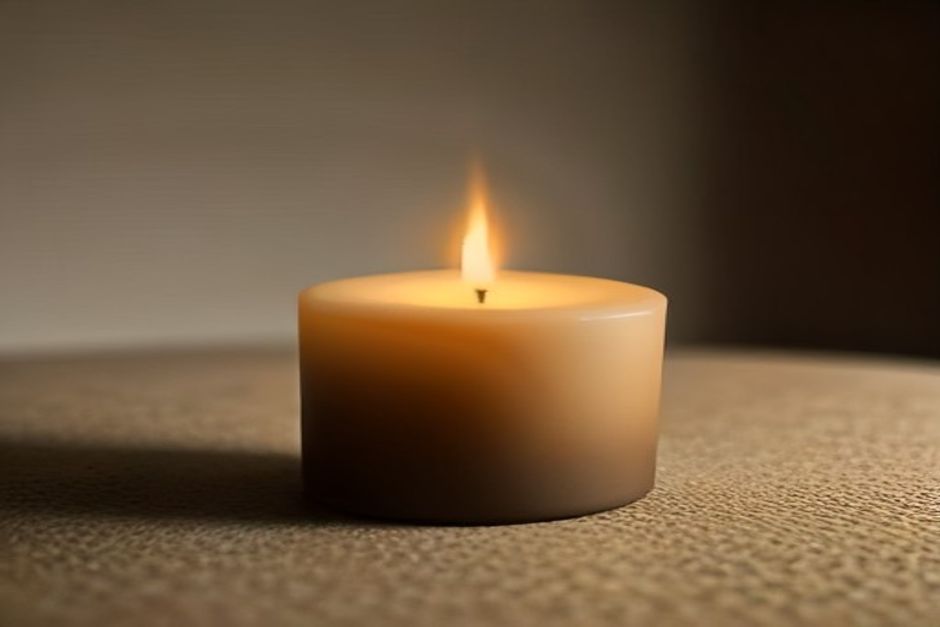
Tapas (तपस्) comes from the root tap, "to heat, to burn, to glow." Before it was ever a virtue, it was a temperature: the heat of the sun, the heat of a fire, the heat a body generates through effort. Yoga took that physical image and made it a practice principle — the third of the five niyamas, the personal observances in the second limb of the eight-limbed path. Tapas is the heat of deliberate effort: the friction of doing the thing you said you'd do, especially on the day you don't feel like it.
The original meaning was literal
In the earliest Indian texts, tapas was not a metaphor. It was the actual heat generated by austerity — standing in the sun, fasting, holding the breath — and it was believed to be a genuine power. The mythologies are full of ascetics whose accumulated tapas made the gods nervous: enough heat, and even the heavens had to pay attention. The creative heat of the universe itself was described as tapas. So when the word later enters the practice manuals, it carries that charge: discipline is not drudgery. It is fuel. It makes something.
By the time of the Yoga Sutras, the idea had been domesticated into something a householder could use. Sutra 2.1 names kriya yoga — the yoga of action — as tapas, svadhyaya (self-study), and ishvara pranidhana (surrender): effort, reflection, and release. Sutra 2.43 adds the promise: through tapas, impurities burn away and the body and senses become capable. The word "burn" is doing real work in that sentence. Tapas is the refining fire — uncomfortable by design, transformative by mechanism.
What it looks like on a mat
The popular image of tapas is holding a hard pose until you shake. That's part of it, but a small and overrated part. The truer tapas of a modern practice is less photogenic:
- Practicing on the day you'd rather not. The ten minutes you do when tired are worth more, in tapas terms, than the inspired hour. Consistency is the heat; intensity is just weather.
- Staying one breath past comfortable. Not ten breaths past — one. The pose you want to exit, the meditation timer you want to check. The edge of impulse is where the friction lives.
- Repeating the basics. Doing cat-cow for the thousandth time with the same attention as the first is harder, and more transformative, than chasing novelty poses.
- Keeping small promises. Five minutes daily, kept for a year, changes a person. Grand monthly gestures mostly change nothing. Tapas runs on rhythm, not heroics.
The shadow: austerity as self-punishment
Every tradition that honors discipline has to answer for its excesses, and yoga is no exception. The Bhagavad Gita — in a passage worth reading in our chapter 17 walkthrough — explicitly criticizes tapas performed out of vanity, or tapas that tortures the body. Krishna calls that kind of austerity demonic, which is strong language from a text not given to exaggeration. The distinction the tradition draws is precise: heat that refines is tapas; heat that punishes is just cruelty aimed inward.
The modern version of this failure mode is easy to recognize. Practicing through an injury because "discipline." Skipping rest days as a moral achievement. Treating hunger, exhaustion, or pain as signs of virtue. A useful test: healthy tapas leaves you clearer and steadier afterward, maybe tired but intact. Punishment leaves you diminished and a little proud of being diminished. If your discipline requires ignoring your body's stop signs, it has stopped being tapas and started being something else with a Sanskrit costume.
Tapas off the mat
The niyamas are meant to be portable, and tapas travels well. Waking when the alarm rings instead of negotiating with it. Finishing the boring part of the project. Having the awkward conversation instead of the third week of avoiding it. None of this is glamorous, and that's the point — tapas is deliberately unglamorous. It's the recognition that the small frictions of daily life are not obstacles to the practice; they are the practice, wearing ordinary clothes. The philosophy page puts it in the larger frame, and dharma is its natural companion: tapas is the heat, dharma is what the heat is for.
A realistic way to cultivate it
Start absurdly small — small enough that refusal would be embarrassing. Two sun salutations. Three conscious breaths before the first coffee. One page of the Sutras' second book, where the niyamas live. Then protect the streak, because the streak is the tapas, not the content. When you miss a day — you will — the practice is to restart without the theatrical guilt, which is just ego with a hangover. Over months, something quietly reorganizes: the person who keeps small promises to themselves starts trusting themselves. That trust, more than any flexible hamstring, is what the heat was forging.
Discipline is not the opposite of freedom. In yoga's accounting, it is the down payment on it.
One word of tempering to end: tapas is one niyama among five, seated between shaucha (cleanliness) and santosha (contentment), and the order matters. Heat without contentment curdles into grinding. The tradition's wisdom is to burn steadily, not to burn out — a candle, not a bonfire. More on the full system at yamas and niyamas.