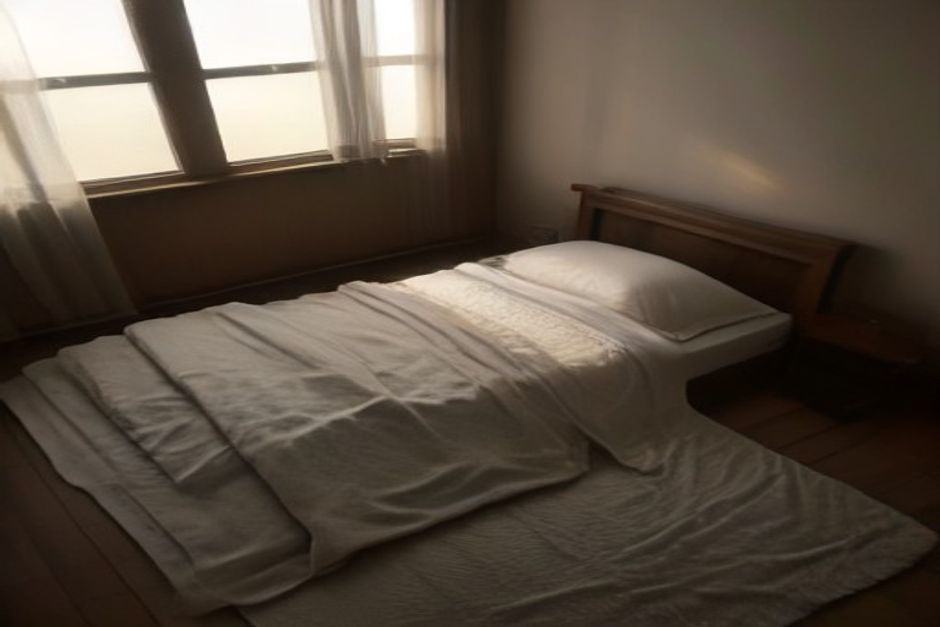
Sleep is the one performance enhancer nobody has to buy, and the one most adults treat as optional. Yoga will not fix a two-screens-at-midnight lifestyle, but a short evening practice does something specific and useful: it moves the nervous system from doing mode to resting mode, on purpose, at a scheduled time. That transition is what most people skip — they go from laptop to pillow and wonder why the brain keeps working. This is the bridge.
The principle: downshift, don't workout
Evening yoga follows one rule: nothing that raises your heart rate counts. No sun salutations, no long Warrior holds, no core work. Vigorous practice within a couple of hours of bed is a stimulant — great at 7 a.m., counterproductive at 10 p.m. What you want instead:
- Forward folds — quieting, inward-turning, hamstrings optional.
- Gentle twists — wringing out the day, literally and figuratively.
- Supported inversions — legs elevated, heart calmed.
- Slow, extended exhales — the single fastest lever you have on your own nervous system.
Dim the lights before you start. This matters more than any single pose: bright light tells your brain it is still daytime, and no amount of stretching overrides that signal. More on the sleep side of this equation on our yoga and sleep page.
The 20-minute sequence
Do it in pajamas, on carpet or a mat, an hour or so before bed. No warm-up needed — the poses are the warm-down.
Cat-Cow, slow — Marjaryasana-Bitilasana (3 minutes)
How: On hands and knees, move with the breath — inhale, the back softens down; exhale, round slowly. Half the speed you would use in a class. Let it become almost lazy.
Why: Unloads the spine after a day of sitting or standing and sets the breathing tempo for everything that follows. Full details in the Cat-Cow guide.
Child's Pose — Balasana (3 minutes)
How: Knees wide, big toes touching, forehead on the mat or a stacked fists-and-blanket arrangement. Arms forward or by your sides, whichever your shoulders prefer.
Why: The classic "close the tabs" pose. Eyes, forehead, and jaw all get permission to let go. See the full guide for prop options.
Reclined Twist — Supta Matsyendrasana (4 minutes, both sides)
How: On your back, hug the knees in, then drop both to one side. Shoulders heavy, gaze soft or to the opposite hand. Two minutes per side, no forcing the knees down.
Why: Releases the low back and gives the diaphragm room. If the knees hover, put a pillow under them — the reclined twist guide covers the setups.
Happy Baby — Ananda Balasana (2 minutes)
How: On your back, hold the outer edges of the feet, knees toward the armpits, tailbone heavy. Rock gently or stay still.
Why: A last soft opening for the hips and low back, and quietly absurd in a way that helps. Details in the Happy Baby guide.
Legs Up the Wall — Viparita Karani (6 minutes)
How: The centerpiece. Hips near or against the wall, legs up, arms by your sides, palms up. An eye pillow or folded sweater over the eyes if you have one.
Why: Six minutes here does more for pre-sleep physiology than the rest of the sequence combined — heart rate slows, legs drain, the mind has nothing to hold. The full guide has wall-distance and prop fine-tuning.
Savasana in bed — (2 minutes, then stay)
How: Get into bed. Lie flat or with a pillow under the knees. Ten slow breaths, each exhale a count or two longer than the inhale. Then stop counting and let sleep happen.
Why: Doing the final relaxation in bed rather than on the mat removes the last transition — you are already where you need to be.
The breath lever
If you keep only one element, keep this: lengthen the exhale. Inhale for four, exhale for six to eight, through the nose if possible. Extended exhales stimulate the vagus nerve and tilt the autonomic balance toward rest-and-digest — this is measurable physiology, not mysticism. Two structured versions worth learning: 4-7-8 breathing (the strongest sleep-specific pattern) and alternate nostril breathing (better for a busy mind). Practice them during Legs Up the Wall.
What to avoid after dark
- Vigorous flow within two hours of bed. Heart rate up means sleep onset delayed.
- Strong backbends (wheel, deep camel) — energizing by design. Morning poses.
- Breath of fire and other stimulating pranayama — genuinely useful techniques, wrong time of day.
- Your phone as the yoga video. If you follow a recording, queue it before you dim the lights and put the screen face-down while you practice. The sequence above is deliberately simple enough to memorize in three sessions — memorize it.
Realistic expectations
The first night, you may sleep better or you may simply feel pleasantly heavy and then lie awake anyway. Give it two weeks of near-nightly practice. What typically changes first is sleep onset — the time from head-on-pillow to gone — and the 3 a.m. wake-ups tend to soften over a longer arc. Chronic insomnia deserves a professional conversation; this sequence is a complement, not a cure. For a deeper guided option on wired nights, Yoga Nidra is the heavy artillery.
"You cannot force sleep. You can only build the ramp and walk down it."
Twenty minutes. Dim lights, slow exhales, legs up the wall, bed. Tomorrow's self thanks you in advance.