Avocado toast has a reputation problem. Somewhere between the café markup and the think pieces, people forgot the actual question: is it a good breakfast? The honest answer is it depends entirely on how you build it. Done lazily — white bread, a smear of avocado, nothing else — it is a tasty snack that leaves you hunting for food by ten. Done properly, it is one of the fastest complete breakfasts you can make: fat, fiber, protein, and something crunchy, in under ten minutes.
Here is the build, in order of what matters most.
1. The bread is doing more work than you think
The bread is not a vehicle; it is half the dish. You want something with structure and flavor of its own:
- Sourdough — the default winner. The tang balances the avocado's richness, the crumb holds up under a heavy mash, and the fermentation makes it easier on many people's digestion.
- Dark rye or pumpernickel — denser, earthier, slower to digest. Excellent if the topping includes smoked fish or a sharp cheese.
- Seeded whole grain — the practical weekday choice; the seeds add texture and a little protein of their own.
- What to avoid: soft sandwich bread. It steams under the mash and collapses. If the bread cannot stand up to a thick layer of avocado, it has failed its one job.
Toast it darker than you think. Pale toast goes soggy in ninety seconds; properly browned toast stays crisp to the last bite. Cut thick — at least a centimeter and a half.
2. Season the avocado itself
The single most common mistake: seasoning the top of the toast instead of the avocado. Salt sprinkled on a finished toast sits on the surface and tastes like salt. Salt mashed into the avocado seasons every bite.
The mash: half a ripe avocado per slice, fork-mashed right in the skin or a small bowl, with a good pinch of flaky salt, a squeeze of lemon or lime (a teaspoon, not a drizzle), and black pepper. Mash to your preferred texture — chunky holds up better under toppings, smooth spreads edge to edge. The acid is not optional: it brightens the fat and slows browning if you get interrupted.
Ripeness test: press near the stem end, not the middle. It should yield slightly, like the pad of your thumb. The little stem nub should flick off to reveal green underneath — brown means bruised, no nub means you are guessing.
3. Add protein or accept the 10 a.m. hunger
Avocado brings fat and fiber but almost no protein. This is where toast becomes breakfast. Pick one per slice:
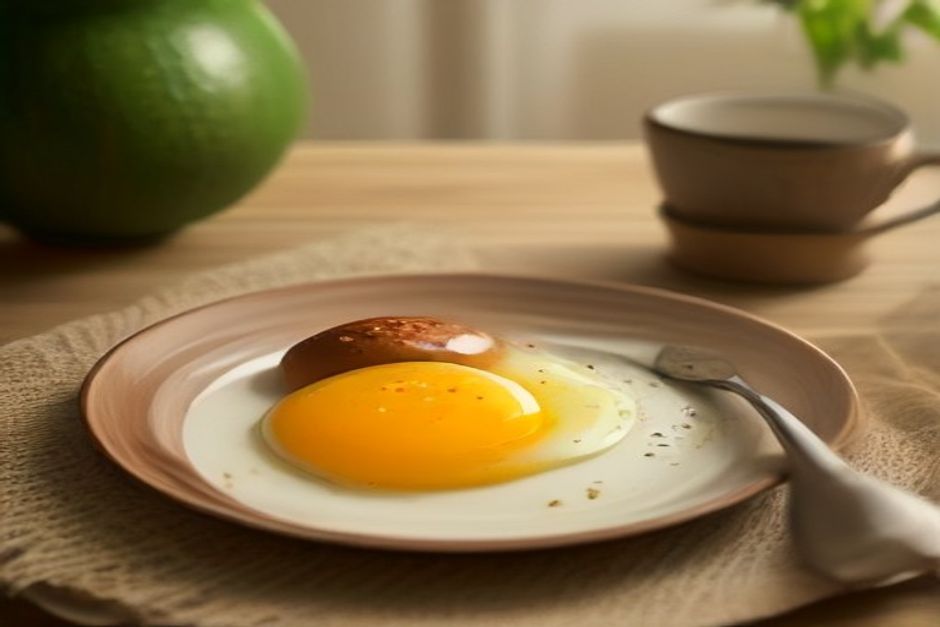
- A soft egg — six minutes in boiling water, or poached, or fried sunny. The yolk becomes the sauce. This is the classic for a reason.
- Smashed white beans — the plant-based answer. Half a cup of cannellini beans, crushed with olive oil, lemon, and salt, layered under the avocado. Adds protein and fiber and takes ninety seconds.
- Smoked salmon or trout — two slices on top. Expensive, but a little goes far, and the omega-3s make this the most complete version on the list.
- Cottage cheese or thick Greek yogurt — spread on the toast before the avocado. Sounds odd, works beautifully, adds a quiet 10 grams of protein.
- Baked tofu or tempeh strips — batch-cook on Sunday, deploy all week.
4. The finishing layer: texture and heat
Everything so far is soft. The toast needs contrast:
- Crunch: toasted pumpkin seeds, sesame, hemp seeds, or dukkah. One teaspoon transforms it.
- Heat: chili flakes, a few drops of hot sauce, or thin slices of fresh chili.
- Fresh: radish slices, quick-pickled onion, cherry tomatoes, or a fistful of arugula on top. One is enough; you are making breakfast, not a salad tower.
The assembly, timed
Total: about 8 minutes. Water for the egg goes on first (6 minutes, hands-off). Bread toasts during that. Avocado gets mashed in the waiting time. Peel the egg, assemble, finish. The sequence matters — do it in that order and nothing sits around getting cold or soggy.
Why this earns its place before practice
If you practice in the morning, breakfast timing is its own puzzle: eat too much or too late and the twists are unpleasant; eat nothing and the last twenty minutes run on fumes. This toast, eaten 60 to 90 minutes before practice, threads the needle — substantial enough to hold you, not so heavy that it files a complaint during your first forward fold. The broader picture of eating around practice is in the yoga nutrition guide, and if you want a make-ahead alternative for rushed mornings, chia pudding does the job from the fridge. For weekends when you want the full spread, the warm Ayurvedic breakfast is the slower, cozier path.
"Good bread, a ripe avocado, one source of protein, something crunchy. That is the whole recipe — the rest is ten minutes and a fork."