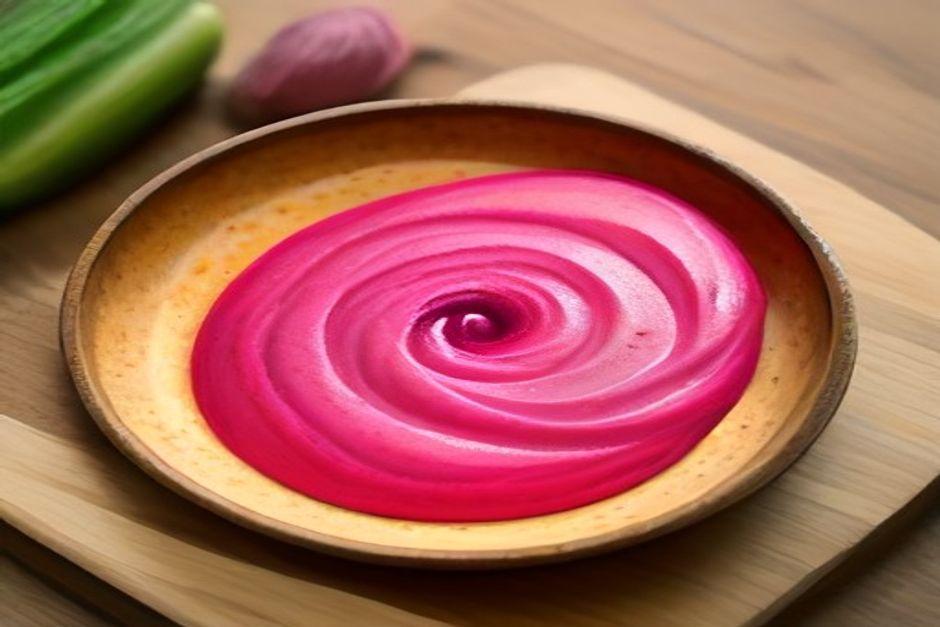
Some recipes earn their keep through flavor. Some through nutrition. Beet hummus does both, and then adds a third argument nobody can counter: it is spectacularly, almost aggressively pink. Underneath the color, this is a genuinely useful kitchen staple — chickpeas for protein and fiber, beets for earthy sweetness, tahini and lemon to keep everything honest. It takes about ten minutes of actual work, most of which is waiting for an oven. Make it on a Sunday and it carries snacks and quick lunches through half the week.
Why it fits a practice life
The best post-yoga food is the food that's already made. After an evening class, nobody wants to cook; everybody needs protein and something real. A container of this in the fridge plus bread, crackers, or raw vegetables is a post-practice meal that assembles itself. It also plays well with the rest of a plant-leaning week — spoon it next to a grain bowl, or thin it with water into a shockingly pink salad dressing. The broader philosophy lives on the nutrition page: food that supports practice without turning eating into a second job.
Ingredients (makes one generous bowl)
- 2 medium beets (about 300 g), scrubbed
- 1 can (400 g) chickpeas, drained and rinsed — save a splash of the can liquid
- 3 tablespoons tahini
- Juice of 1 lemon
- 1 garlic clove, roughly chopped
- 3 tablespoons olive oil, plus more for serving
- 1/2 teaspoon ground cumin
- 1/2 teaspoon salt, then adjust
- Cold water or chickpea liquid, as needed
Method
- Roast the beets. Wrap them loosely in foil, roast at 200°C (400°F) for 45–60 minutes, until a knife slides through without resistance. When they're cool enough to handle, the skins slip off under running water — oddly satisfying, mildly pink-making. Short on time? Vacuum-packed pre-cooked beets (not pickled) work fine; the flavor is slightly less deep.
- Blend. Chop the beets roughly and add to a food processor with the chickpeas, tahini, lemon juice, garlic, cumin, salt, and olive oil. Blend for a full two minutes — longer than feels necessary.
- Adjust the texture. With the motor running, drizzle in cold water or chickpea liquid a spoonful at a time until it turns silky and holds a soft swirl. Taste. It probably wants more salt and more lemon; most hummus does.
- Serve like you mean it. Spoon into a shallow bowl, drag a spiral through it with the back of the spoon, flood the grooves with olive oil. Seeds, dill, or crumbled feta on top are all correct choices.
The details that matter
- Two minutes minimum in the processor. The difference between grainy and smooth hummus is almost entirely blending time. Set a timer and walk away.
- Ice water is the professional trick. Very cold water makes the tahini emulsify into something whipped and light rather than dense.
- Raw beet shortcut: if you truly can't roast, grate one raw beet and blend it in — the flavor is sharper and grassier, the color even louder.
- Storage: four to five days in the fridge, covered, with a thin film of oil on top. It does not freeze gracefully — the beets weep.
Variations worth trying
Once the base is yours, it takes sideways moves gracefully. A teaspoon of grated fresh horseradish turns it into something that clears the head before morning practice. A roasted garlic bulb, squeezed in whole, makes it sweeter and deeper. Swapping half the chickpeas for white beans gives a creamier, milder dip that beet-skeptics accept more readily. And if the earthy flavor is the sticking point for someone at your table, add an extra lemon's worth of juice — acidity is the lever that pulls beets back from the garden soil toward the fruit bowl.
What to eat it with
Warm pita is the classic. Beyond that: cucumber and radish slices for crunch, seeded crackers, roasted carrots (beets and carrots are old friends), or spread thick on toast with a soft egg on top for a breakfast that holds you until lunch. It also makes an excellent layer in a wrap alongside leftover chickpea curry — pink and gold in the same bite, which is more beauty than a weekday lunch strictly requires.
One fair warning: beet hummus stains. Cutting boards, dish towels, and occasionally faces. Consider it the dish's way of making sure you were paying attention — which is, in the end, a very yoga quality for a condiment.