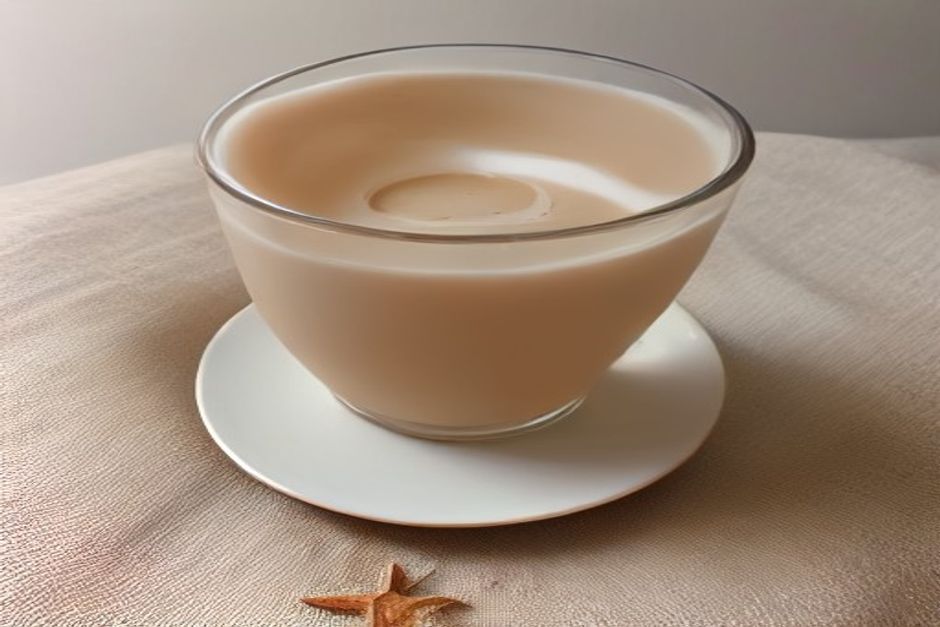
First, a small act of public service: chai is the Hindi word for tea. When you order a "chai tea," you are ordering a "tea tea," and a "chai tea latte" is a "tea tea with milk." What the west calls chai is properly masala chai — spiced tea — and in India it is made by street vendors in dented pots, strong, sweet, milky, and scalding, for a few cents a glass. The coffee-shop version, built from syrup concentrate, is to that drink what a scented candle is to a campfire.
The homemade version takes ten minutes and beats both. The whole difference is this: real spices, crushed by you, simmered in the pot — not a powder, not a syrup, not a "flavor profile."
The spice base
Every household has its own ratio, but the classic five are cardamom, ginger, cinnamon, cloves, and black pepper. Cardamom is the heart of it — if you buy one spice for this, buy green cardamom pods. Ginger brings the heat, cinnamon the roundness, cloves and pepper the depth. Crush the pods and whole spices coarsely with the flat of a knife or a mortar; you're cracking them open, not making powder.
The recipe (two glasses)
- 1½ cups water
- 4 crushed green cardamom pods
- 4 thin slices of fresh ginger — no need to peel
- 1 small cinnamon stick (or half a large one)
- 2 cloves, 4 black peppercorns — both crushed
- 2 teaspoons strong black tea — Assam is the classic; any sturdy black tea works
- 1 cup milk — whole dairy, or oat milk for the vegan version
- 1–2 teaspoons sugar or jaggery — start at one; see below
Method
Bring the water and all the spices to a boil, then turn it down and simmer for three to four minutes — the kitchen should smell like a decision you made well. Add the tea, simmer one minute more (over-steeped tea goes bitter; one minute is enough). Add the milk and sugar, bring it back to just below a boil, and watch it like a hawk — milk goes from "almost" to "on the stove" in four seconds. Some makers let it rise twice, pulling it off the heat each time; this genuinely makes it frothier and is the one piece of theater worth copying. Strain into glasses or mugs. Drink it hot, ideally sitting down, ideally with nowhere to be for ten minutes.
About the sugar
Street chai is sweet — genuinely, unapologetically sweet — and the sugar is not a flaw; it carries the spice. But café chai runs to thirty grams of sugar a cup, which is soda territory. The homemade sweet spot is one to two teaspoons, roughly a quarter of that. At that level the cardamom and ginger step forward and the whole drink gets more interesting, not less — less sugar here tastes like more chai. If you're cutting sugar for practice or otherwise, start at one teaspoon for a week before going lower; the palate adjusts fast.
Variations worth knowing
- Caffeine-free: swap the black tea for rooibos — the spices dominate anyway, and it works as an evening drink, alongside golden milk and moon milk in the warm-cup rotation.
- The strong one (kadak): double the tea, extra ginger, less milk. The monsoon-afternoon version.
- Iced: brew it strong, sweeten while hot, chill, pour over ice. Better than any bottled version, at a tenth of the price.
Where chai meets practice: the making of it is the mindful part. Ten minutes of crushing, simmering, and watching a pot is a small attention practice in itself — the same noticing you'd bring to breathwork or a sit, pointed at a saucepan. It's a fine companion to an unhurried morning, before or after the routine on the morning practice page; just leave a little space between a milky drink and anything involving twists. For the rest of the food side, the nutrition page has the big picture.
Crush the spices yourself. That is the whole difference between chai and "chai flavor."