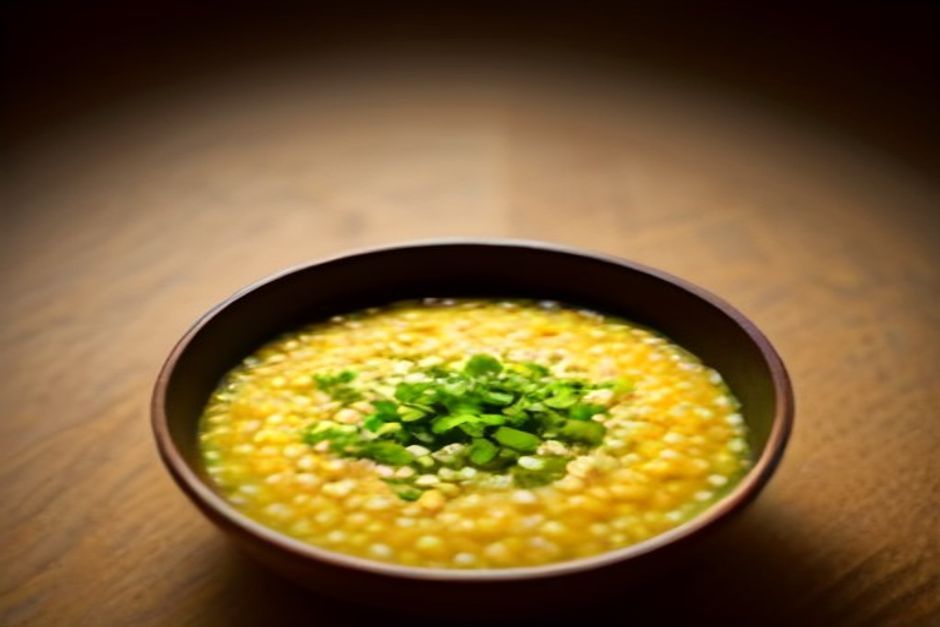
Kitchari — sometimes spelled khichdi — is what the ayurvedic tradition reaches for when digestion needs a break: a soft, warm, one-pot porridge of rice and split mung beans, gently spiced. In India it's also just comfort food — what many people grew up eating when they were sick, tired, or traveling. Both things are true, and both are worth knowing. It is genuinely easy to digest, genuinely cheap, and genuinely satisfying in a way that "cleanse" foods usually are not. No juices, no suffering, no mystical claims: just a very well-designed pot of food.
Why this combination works
The classic pairing is basmati rice and split yellow mung (mung dal — the hulled, split version of whole green mung beans). Together they make a complete protein, cook down soft without much chewing or digestive effort, and take on spice beautifully. Split mung is the key ingredient: unlike most legumes it cooks in about twenty minutes and has a long reputation — in both ayurveda and ordinary Indian home cooking — as the easiest bean to digest. The spices (cumin, coriander, turmeric, ginger, sometimes mustard seed and fennel) are there for flavor first; tradition credits them with stoking digestive fire, and modern readers can simply note that ginger and cumin have made heavy meals sit better for a very long time.
Ingredients (serves 3–4)
- 1 cup basmati rice, rinsed until the water runs clear
- ½ cup split yellow mung dal, rinsed (soak 30 minutes if you remember; skip if you don't)
- 1 tablespoon ghee (or coconut oil to keep it plant-based)
- 1 teaspoon cumin seeds
- 1 teaspoon brown mustard seeds (optional but good)
- 1 tablespoon fresh ginger, grated
- ½ teaspoon ground turmeric
- 1 teaspoon ground coriander
- ½ teaspoon cumin powder
- 5–6 cups water
- 1 teaspoon salt, plus more to taste
- Optional: 2 cups chopped vegetables — carrot, zucchini, spinach, sweet potato all work
- To finish: a squeeze of lime, fresh cilantro, an extra spoon of ghee
The method
1. Bloom the spices. Warm the ghee in a heavy pot over medium heat. Add the cumin and mustard seeds; when the mustard seeds start popping (about a minute), add the ginger, turmeric, coriander, and cumin powder. Stir for thirty seconds — just until fragrant. This tempering step is where the flavor lives; don't rush it and don't burn it.
2. Add rice and dal. Stir the rinsed rice and mung into the spiced ghee for a minute, coating everything. Add the water and salt, bring to a boil, then reduce to a gentle simmer, partially covered.
3. Simmer 25–35 minutes. Stir occasionally, adding water as needed. You're aiming for a soft, porridge-like consistency — the rice grains should be breaking down, not distinct. If you're adding firm vegetables (carrot, sweet potato), put them in with the water; tender ones (spinach, zucchini) go in for the last five minutes.
4. Rest and finish. Off the heat, let it sit five minutes — it thickens as it rests. Taste for salt. Serve with lime, cilantro, and that extra spoon of ghee, which is not optional in spirit.
Variations worth knowing
- The clean-out version: plain — no vegetables, minimal spice, extra soft. This is the traditional mono-diet form eaten for a day or three when digestion is off. It is gentle and boring, which is the point.
- The weeknight version: loaded with vegetables, firmer consistency, more assertive spicing. Now it's dinner, not a protocol.
- The winter version: add a pinch of black pepper and a cinnamon stick; swap some water for a light broth.
About the "kitchari cleanse," honestly
You will find kitchari sold online as a multi-day cleanse that "detoxifies" the body. Take the tradition seriously and the marketing lightly. Eating simple, warm, easy-to-digest food for a few days gives your digestive system less work and cuts out whatever was irritating it — that's a real, explainable effect, and many people feel genuinely better for it. Your liver and kidneys, meanwhile, do the actual detoxifying regardless of what you eat, and no pot of rice changes that. Eat kitchari because it's nourishing, cheap, gentle, and delicious — and because a few days of simple food is a reasonable reset after a season of complicated eating. If you're underweight, pregnant, managing blood sugar, or have any medical condition, talk to a professional before doing any mono-diet, even a mild one.
Kitchari pairs naturally with the rest of a sane routine — a light practice, an early night, a warm drink before bed (the golden milk on this site is the classic companion). More on eating to support practice in the nutrition section.
The oldest wellness trick is a pot of rice and lentils, cooked soft, eaten warm, repeated.