In the old hatha texts, headstand (Sirsasana) was called the king of poses and shoulderstand (Sarvangasana) the queen — or the mother. Royal metaphors aside, they are the two inversions most practitioners eventually meet, and they are regularly taught as a pair. They shouldn't be treated as interchangeable. They load the neck in opposite directions, demand different prerequisites, and fail in different ways. Understanding the difference is the beginning of practicing either one safely.
Headstand: load through the crown
In a well-built headstand, the forearms and the triangle of the hands carry most of the weight — ideally 70 to 80 percent — while the crown of the head acts more as a balance point than a pedestal. That's the ideal. The common reality is beginners dumping weight straight onto the skull and neck because the shoulders and forearms aren't strong or organized enough yet. The cervical spine was not designed to bear body weight in compression, and it files complaints accordingly.
The prerequisites are real: strong forearm support (dolphin pose held comfortably for a minute is a decent test), enough shoulder mobility to keep the ribs from flaring, and the core control to lift without kicking. The spine anatomy page covers why neutral neck loading matters so much here. Headstand's distinctive gift is steadiness — it demands and builds fierce concentration, and it opens the hamstrings and shoulders on the way up.
Shoulderstand: load through the shoulders, neck in flexion
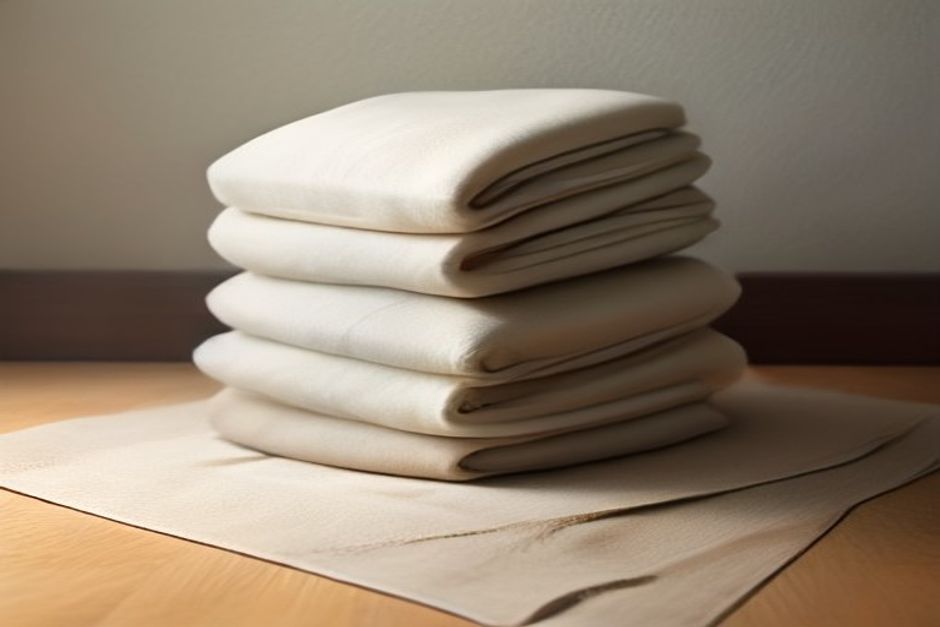
Shoulderstand inverts the problem. Weight rests on the backs of the shoulders and upper arms — a broad, capable surface — while the neck is held in deep flexion, chin toward chest. No weight should rest on the neck itself, which is why the blanket setup isn't optional decoration: stacked blankets under the shoulders with the head off the edge lets the neck keep a survivable curve. Without them, the cervical spine is bent sharply and bears load, which is the combination most physios object to.
Shoulderstand asks less upper-body strength than headstand and more flexibility — the chest, shoulders, and throat need to open enough that the pose doesn't strangle you. It's traditionally held longer than headstand and treated as a cooling, quieting pose, often sequenced near the end of practice and paired with fish pose as a counterstretch for the neck.
Head to head
- Primary risk. Headstand: compression on the neck if the forearms don't do their job. Shoulderstand: extreme neck flexion, aggravated by skipping the blankets. Both are cumulative injuries — they announce themselves late.
- Strength demand. Headstand is higher — forearms, shoulders, core. Shoulderstand is moderate but real.
- Mobility demand. Shoulderstand is higher — chest, lats, throat. Headstand needs shoulder flexion but less drama at the front of the body.
- Fear factor. Headstand wins. Falling out of shoulderstand is a roll; falling out of headstand is an event.
- Effect. Headstand is heating, focusing, effortful. Shoulderstand is cooling, quieting, held long. Traditional sequencing puts headstand earlier, shoulderstand later, for exactly this reason.
Which to learn first
Most careful teachers say shoulderstand — with proper blankets — because the strength barrier is lower and the failure modes are gentler. Others argue headstand's alignment is easier to feel because the feedback from the crown is immediate. The honest answer: learn whichever one your body is closer to, in this order — first the strength and mobility prerequisites, then the wall version, then, much later, the free balance. Months, not weeks.
And know that both are optional. Modern yoga has produced excellent teachers who skip both poses entirely, and legs up the wall delivers most of the circulatory and calming effects of inversion with roughly zero percent of the neck risk. The crowns are not required for citizenship.
Skip inversions entirely if you have uncontrolled high blood pressure, glaucoma, a neck injury or cervical disc issue, osteoporosis, or if you're pregnant and inversions are new to you. Pain, tingling, or numbness in the neck or arms during or after either pose means stop and consult a professional — not "push through." No pose is worth a cervical spine.
Upside down is a party trick with real benefits. The neck pays for the ticket. Buy it carefully.