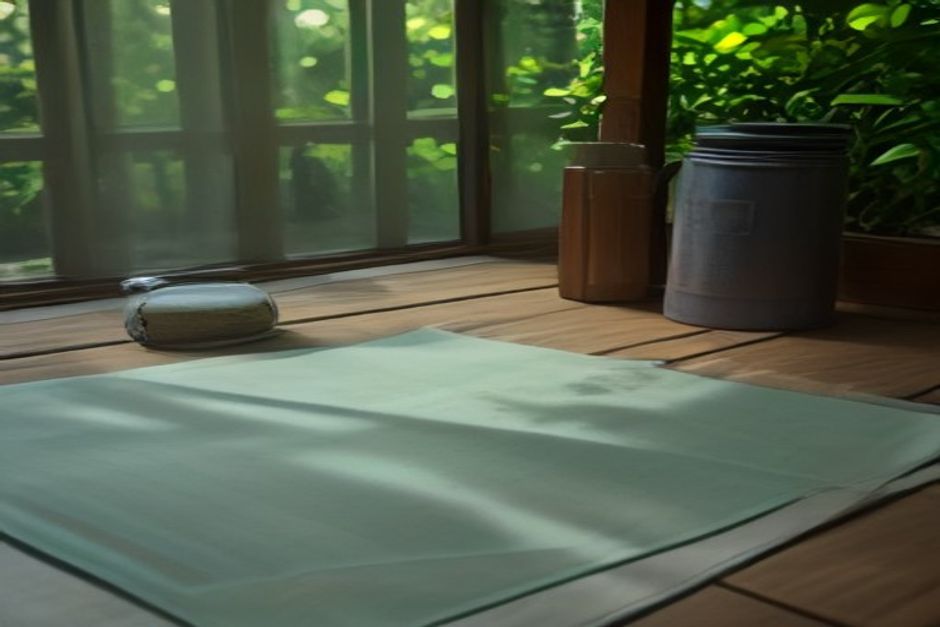
Summer is a strange season for practice. The body is looser than it's been all year — hips open faster, hamstrings negotiate — and at the same time everything else conspires against the mat: heat, holidays, disrupted routines, and the particular lethargy that arrives around two in the afternoon when the air itself feels heavy. The practitioners who keep their practice through July and August aren't the most disciplined ones. They're the ones who adapt the practice to the season instead of demanding the season accommodate the practice.
Move the session, not the motivation
The single highest-leverage change is timing. Early morning in summer is genuinely cool — often fifteen degrees cooler than the afternoon — and the light is doing something worth waking for anyway. A 6:30 practice in August feels like a gift; the same practice at 17:30 feels like a punishment. If mornings are impossible, late evening works, with the caveat that vigorous practice close to bedtime can delay sleep for some people — see our piece on morning versus evening practice for the trade-offs. What rarely works is the willpower approach: keeping your usual midday slot and trying to push through the heat. That's not dedication; it's a slow negotiation you'll lose by mid-July.
Dial the intensity down on purpose
Here's the counterintuitive part: summer flexibility is partly a trap. Warm muscles stretch further and complain less in the moment, which makes it easy to overreach — the tendons and ligaments are not proportionally more durable just because the muscle belly is warm. Add dehydration and fatigue, and summer is quietly a high season for overuse injuries. The smart adjustment:
- Shorter flows, longer holds. Trade some of the jumping and repetition for slow standing poses and seated work. The season's heat supplies the warmth that vinyasa normally has to build.
- Lower the peak. A summer session that tops out at seventy percent of your usual intensity is not a lesser practice. Consistency across the whole season beats three heroic weeks followed by a scorched-earth September.
- Use the floor. Summer is the natural season for the low-to-the-ground practices: seated folds, supine work, long legs up the wall sessions, which also happen to feel miraculous after a hot day on your feet.
Cooling breath, the traditional tool
Yoga has been solving the heat problem for a few thousand years, and its answer is Sheetali — the cooling breath. Curl the tongue into a tube (or, if your genetics didn't include that party trick, purse the lips instead), inhale slowly through the mouth so the air passes over the wet tongue, then exhale through the nose. The evaporative cooling is real, not symbolic: five to ten rounds produces a noticeable drop in felt heat and a slowing of the whole system. It's the traditional prescription before practice on hot days, after practice as a cool-down, and frankly during any overheated afternoon, mat or no mat. Skip it if you have low blood pressure and feel lightheaded, and don't practice it in polluted air — the mouth lacks the nose's filters.
Hydration that actually works
The obvious advice — drink water — hides a few practical details. Chugging a liter right before practice gives you a sloshing belly in every forward fold. What works better: steady hydration through the day, a glass an hour before practice, and small sips during if the session is long or the room is hot. If you sweat heavily, plain water alone stops being enough after about an hour — a pinch of salt and a squeeze of citrus in your bottle, or simply eating normally around practice, covers what the sweat carried off. Signs you've fallen behind: headache mid-practice, unusual fatigue in ordinary poses, and a savasana that feels more like collapse than rest. That's information, not weakness. Our hot yoga guide goes deeper on heat and hydration for anyone practicing in deliberately heated rooms.
What to wear and where to practice
Outdoors in summer sounds idyllic and mostly is, with two adjustments: shade matters more than scenery (full sun plus mat equals a griddle by minute ten), and early morning grass is damp, so a towel under the mat saves the day. Indoors, a fan pointed across the mat changes everything; practicing in a sealed, sun-baked room is free hot yoga minus the safety briefings. Clothing-wise, less and lighter is obvious — but keep a layer within reach for savasana. The body cools fast when it stops moving, and shivering through final rest defeats the purpose.
Let the season edit the practice
There's a wider permission available here. Summer, in the traditional view, is pitta season — the fire element already running high — and the classical advice is to stop adding fuel: fewer fiery flows, less forceful breathwork, more moon than sun. You don't need the Ayurvedic framework to use the insight. The season when everyone else is sprinting is a fine season for yoga nidra in a dark room, for slow evening walks, for the restorative shelf of your practice that gathers dust all winter. The yin versus restorative piece can help you pick which slow practice fits. Practice that ignores the season is ideology; practice that listens to it is yoga.
The mat will still be there in September. The practitioners who arrive at autumn with an unbroken habit are not the ones who suffered through August — they're the ones who made August easy enough to say yes to.