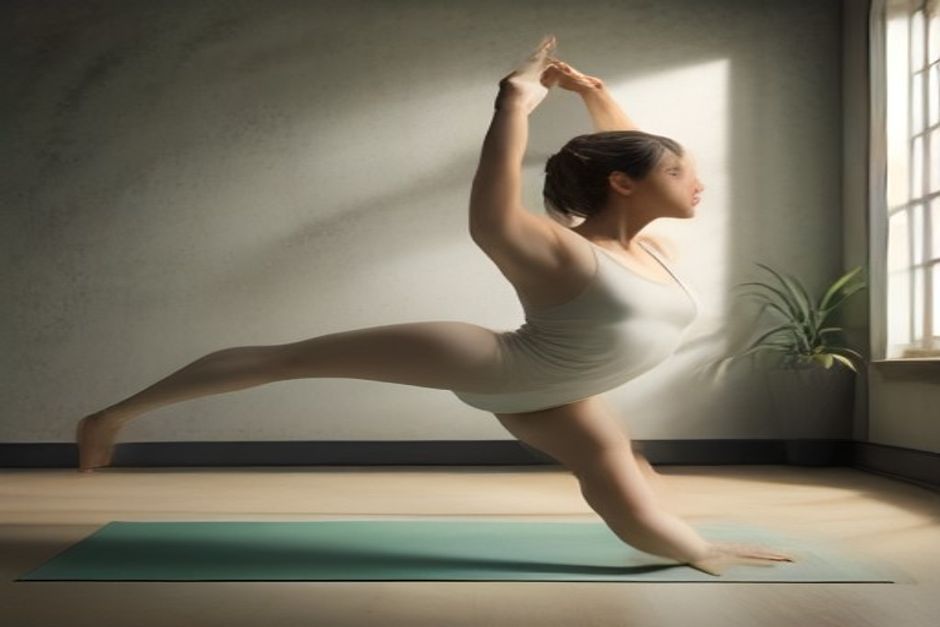
Headstand has a marketing problem. It photographs well, so it gets treated as a milestone — a pose to "get" — when it's actually the top of a pyramid made of months of unphotogenic preparation. The full pose is covered on our headstand page; this page is about everything that should happen first. If you can hold the preparation honestly, the inversion is a formality. If you can't, the inversion is a neck injury with good lighting.
What headstand actually demands
In a well-taught tripod or supported headstand, the crown of the head carries surprisingly little weight — the standard cue is somewhere between ten and twenty percent. The rest is borne by the forearms and, more precisely, by the shoulder girdle pressing the forearms down and lifting the shoulders away from the ears. That means the real prerequisites are: shoulders that can stabilize under vertical load, a midline that can hold a straight line upside down, and enough hamstring length to get the hips over the shoulders without a kick. The shoulder anatomy page explains why the "lift away from the ears" cue matters so much; the short version is that the neck is not a load-bearing structure, and the shoulders exist so it doesn't have to be.
The preparation sequence
Work these in order. Stay at each stage until it's boring. Boring is the goal.
Stage one: plank and side plank — Phalakasana
How: Hold a straight-arm plank for 45–60 seconds without the hips sagging or the breath disappearing. Add forearm side plank, 30 seconds a side, twice a week.
Why: The line you'll need upside down is built right side up. If the midline can't hold straight against ordinary gravity, adding inversion doesn't help. See our plank page for the common mistakes that quietly undermine this.
Stage two: dolphin — Ardha Pincha Mayurasana
How: Forearms parallel, elbows under shoulders, hips lifted like a forearm downward dog. Hold 30 seconds, rest, repeat three times. Walk the feet in as far as hamstrings allow while keeping the shoulders pressing the floor away.
Why: Dolphin is headstand's honest rehearsal: same forearm base, same shoulder demand, zero neck risk. If dolphin for 30 seconds makes your shoulders shake and your neck crank up, you have your answer about headstand readiness. Full details on the dolphin pose page.
Stage three: dolphin walks
How: From dolphin, walk the feet toward the elbows until the hips stack as high as they'll go, then walk back. Five slow trips, resting between. The range grows over weeks.
Why: Getting the hips over the shoulders is the mechanical crux of headstand. People who kick up violently are compensating for not being able to walk in far enough. This drill fixes the actual deficit.
Stage four: the set-up at the wall
How: Kneel facing a wall. Interlace the fingers, set the forearms down, place the crown lightly in the cupped hands — and stay there, knees down, breathing. Then tuck the toes, lift to a dolphin with the head set, and hold. No lifting of the feet yet. Thirty seconds, three rounds.
Why: This isolates the question that decides everything: can you load the forearm base with the head down, near a wall, without dumping weight into the skull or collapsing the shoulders? If yes, week after week, the rest is arithmetic.
The wall is a teacher, not a cheat
Practice the full pose at the wall for a long time — months, not sessions. The wall catches the inevitable early overbalance and lets you build the strength honestly. Kick gently, find the wall, and spend your holds paying attention: forearms pressing, shoulders lifting, ribs quiet. Come down the way you came up. When the day comes that you hover near the wall without touching it, you'll know — you won't need anyone to announce it.
Who should stay vertical
The unglamorous list, and it matters more than any drill:
- Neck issues — disc problems, chronic neck pain, previous injury. Skip headstand entirely; there is no modification that makes cervical loading a good idea here.
- High blood pressure, glaucoma, or other pressure-sensitive conditions — inversion changes pressure in the head and eyes. Talk to your doctor first, and many teachers will say simply choose something else.
- Pregnancy — unless you had a solid, established inversion practice before, this is not the season to start.
- Anyone who can't hold stage two dolphin for 30 calm seconds. Not a judgment; just the current address of the work.
None of this is a loss. Shoulderstand with proper blanket support, legs-up-the-wall, and dolphin itself deliver most of what people actually want from inversions — the quiet, the perspective flip, the mild magic of blood going the other way — with a fraction of the risk.
A realistic timeline
For a reasonably active beginner: two to four months of the stages above, practiced three times a week, before the feet leave the floor. For desk-bound shoulders, longer. This feels slow only because social media skips the footage. The yogis in the old photographs didn't kick up in week two either; they just didn't post about week two. Treat the preparation as the practice — because it is — and headstand becomes what it should be: the day the practice simply continues upward.