Post-workout nutrition is a genuine science, but most of it was built for athletes training twice a day — not for someone who just did forty-five minutes of hatha yoga on a Tuesday. The honest starting point: a typical yoga practice burns modest calories and depletes almost nothing. You do not need a recovery shake, a thirty-minute anabolic window, or anything with a brand name. You mostly need water and your next normal meal. That said, harder practices exist, hunger is real, and what you eat in the hour or two after class shapes whether you feel restored or ready for a nap. Here's the practical version.
First: how hard did you actually work?
Scale the meal to the practice, not the other way around.
- Gentle practice (restorative, yin, slow stretching, breathwork): you need nothing special. Drink some water; eat at your next regular mealtime. Eating a big "recovery meal" after a session that was mostly lying down is how the slump happens.
- Moderate practice (an hour of hatha or slow vinyasa): a light meal or substantial snack within a couple of hours is plenty. Normal hunger is your guide.
- Vigorous practice (ninety minutes of strong vinyasa, ashtanga, hot yoga): now you're in actual recovery territory. You sweated, your muscles worked hard, and a real meal with protein and carbohydrate within an hour or two makes a noticeable difference in how you feel later.
What the body actually wants back
Three things, in order of importance after practice:
Fluid. The most common post-yoga complaint — the headache, the fog, the sudden tiredness — is usually mild dehydration, especially after heated classes. Water is fine for most sessions. If you sweated heavily for over an hour, a pinch of salt in your food and some potassium (a banana, potato, coconut water) cover the electrolyte question without products.
Carbohydrate. Not because yoga empties your glycogen tanks like a marathon — it doesn't — but because carbohydrate is what stops the post-practice energy dip and, frankly, what you're craving. Rice, bread, potatoes, fruit: ordinary food.
Protein. Twenty grams or so in the meal after a vigorous practice supports muscle repair. That's a cup of yogurt, two eggs plus toast, a serving of dal, or a piece of fish — nothing exotic required.
Five post-practice meals that work
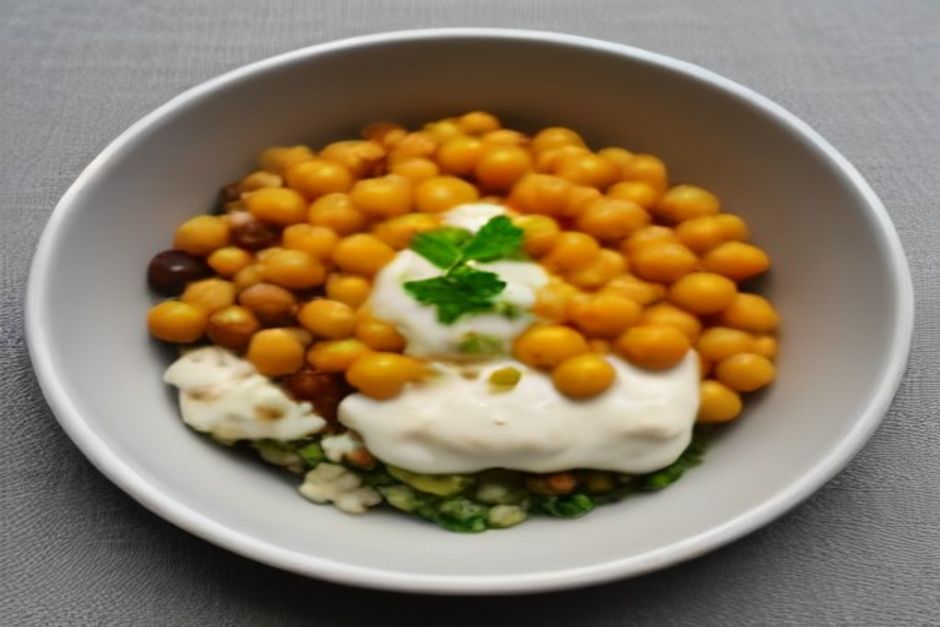
- The grain bowl: Rice or quinoa, roasted or raw vegetables, a protein (chickpeas, eggs, tofu, chicken), something acidic and something salty on top. Our buddha bowl template is built for exactly this moment.
- Kitchari: After evening practice, a warm bowl of kitchari is easy on a body that's winding down — carbohydrate, protein, and warmth in one pot.
- Yogurt, fruit, and nuts: The two-minute option after a moderate class. Greek yogurt or a plant alternative, a banana or berries, a handful of almonds.
- Eggs on toast: Fast, complete, and works at any hour. Add greens or tomatoes if you want virtue points.
- Miso soup with additions: Our miso soup with tofu and rice stirred in becomes a light but genuine meal — particularly good when you're practiced-out and want something warm that isn't heavy.
Avoiding the slump
The post-yoga crash usually has three causes, and food is only one of them. The first is dehydration — covered above. The second is a blood-sugar swing from practicing on empty and then eating a large, fast, carbohydrate-only meal; the fix is adding protein and not waiting until you're ravenous. The third is simply that deep relaxation is relaxing — a long savasana lowers arousal, and that's the practice working, not a dietary failure. If you need to be alert after class, eat lighter, hydrate, and give yourself ten minutes before demanding anything of your brain.
Timing and evening practice
After a late class, the classic mistake is arriving home at nine, starving, and eating a full dinner standing at the counter. Better: a small planned meal — soup, kitchari, yogurt and fruit — that you can actually sit down with, then bed. Heavy, late meals reliably damage sleep, and sleep is where the recovery you were chasing actually happens. More on that connection in our sleep guide, and the bigger picture in the nutrition section.
Match the meal to the mat time. Lying on a bolster is not a calorie event; ninety sweaty minutes is.