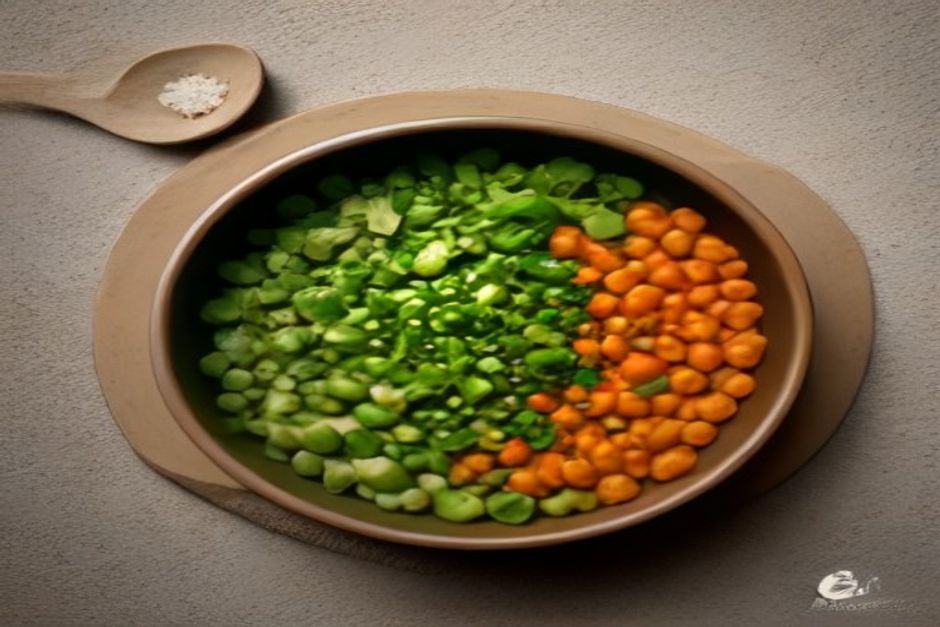
The buddha bowl has no agreed recipe, no authentic origin, and no connection to any actual buddha — the name is café marketing from the last decade, variously explained as "a bowl so full it is round like a belly," which should tell you how seriously to take the folklore. None of that matters, because the thing itself is genuinely useful: a complete meal assembled from components, endlessly variable, almost impossible to get wrong, and the single best answer to the question "what do you eat after practice that isn't a project?"
The formula
One grain, one green, one protein, one crunch, one sauce. Five slots, fill each with whatever you have. The bowl is a grammar, not a script — once you see the structure, every half-empty fridge becomes a menu.
- Grain (the base, about a cup cooked): brown rice, quinoa, farro, millet, buckwheat, or soba noodles. Leftover rice is not a compromise; it's the tradition.
- Green (a big handful): spinach, kale massaged with a drop of oil and salt, steamed broccoli, edamame, shredded cabbage. Raw or cooked, both count.
- Protein (a palm-sized portion): roasted chickpeas, baked tofu, a soft egg, lentils, edamame, leftover chicken if you eat it. This is the slot that turns a side dish into a meal.
- Crunch (a small handful): toasted seeds, chopped nuts, shredded raw carrot or beet, radish slices, cucumber. Texture is the difference between a bowl and a mush.
- Sauce (two tablespoons, drizzled with intent): tahini thinned with lemon and water, soy-sesame, yogurt with herbs, peanut-lime, or just good olive oil and salt. The sauce is the personality of the bowl — change it and the same four ingredients become a different lunch.
Ratios and assembly
Fill half the bowl with grain and greens together, a quarter with protein, and scatter the crunch over everything. Sauce last, in a zigzag, because it looks good and looking good is thirty percent of appetite. Warm grain and protein with cold greens and crunch is the best version — the temperature contrast is doing quiet work. All-cold works in summer; all-warm is a grain bowl in winter and equally legitimate.
Five combinations that always work
- The default: brown rice, massaged kale, roasted chickpeas, shredded carrot, tahini-lemon.
- The sushi bowl: rice, edamame, cucumber and radish, avocado, soy-sesame, sesame seeds.
- The warm one: farro, roasted broccoli, a soft egg, toasted pumpkin seeds, olive oil and flaky salt.
- The peanut one: soba noodles, shredded cabbage, baked tofu, crushed peanuts, peanut-lime sauce.
- The fridge-clearer: any leftover grain, any green, a can of lentils warmed with cumin, whatever raw vegetable exists, yogurt-herb.
Three sauces worth memorizing
Since the sauce carries the bowl, keep these three in your back pocket. Tahini-lemon: two tablespoons tahini, juice of half a lemon, a pinch of salt, cold water whisked in until it pours. Peanut-lime: a tablespoon of peanut butter loosened with lime juice, soy sauce, and warm water. Yogurt-herb: yogurt, any soft herb, salt, a squeeze of lemon. Each takes ninety seconds, keeps three days in the fridge, and rescues any combination of leftovers from tasting like leftovers.
The Sunday move
The bowl only becomes effortless if the components exist. The practice: cook one pot of grain, roast one tray of chickpeas or tofu, and wash one bunch of greens on Sunday. Twenty minutes, mostly unattended. Then every weekday lunch is assembly, not cooking — five minutes, no decisions, nothing to clean but one bowl. This is the same logic as kitchari's one-pot approach, applied to lunch: remove friction and the good choice happens by itself.
Where the bowl fits practice: it's the ideal post-yoga meal — carbohydrate to refill, protein to repair, nothing heavy enough to erase the lightness you just spent an hour building. Eat it an hour after practice, or as the meal before an evening session. For the rest of the food side of practice, the nutrition page covers the principles, and yoga off the mat covers why eating well is part of the practice rather than adjacent to it.
Five slots, fill each one. It is a grammar, not a script.