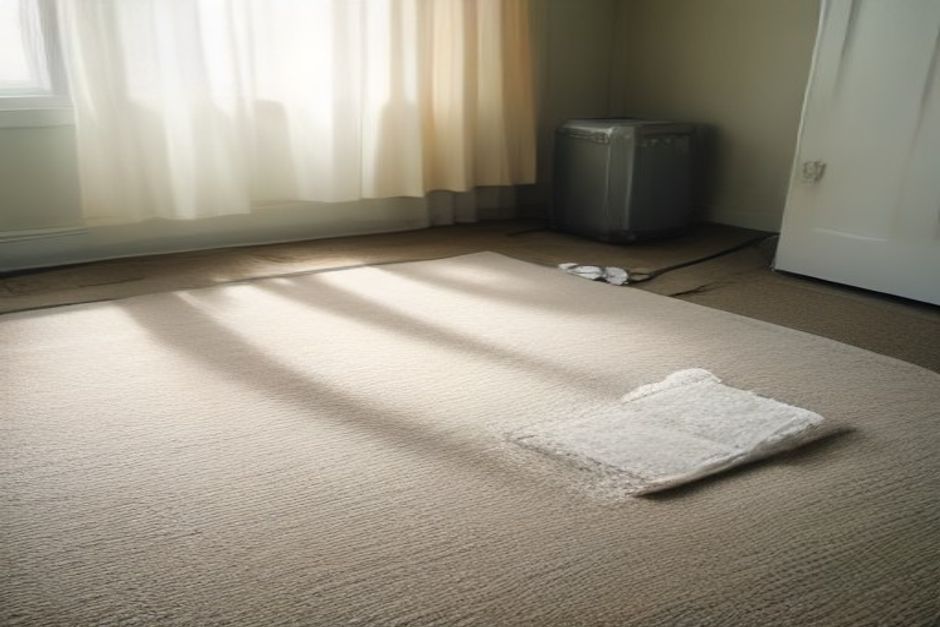
Home practice runs on rails: same mat, same corner, same hour. Travel removes every rail at once and then adds time zones, strange beds, and a schedule written by someone else. It is no mystery that practice is the first casualty of a trip. The fix is not discipline. It is a travel edition of your practice — smaller, quieter, and designed for carpet that is not yours.
We have written about travel yoga and the philosophy of practicing on the move before; this page is the operational version — what to actually do in the room, on the layover, and in the fog of jet lag.
The hotel-room sequence
Hotel practice has three constraints: no props, unknown floor, and neighbors below you who did not consent to your jump-backs. So the travel sequence is standing-free, jump-free, and quiet enough to do in socks at 6 a.m. Ten to fifteen minutes, all of it on the floor:
- Arrive (1–2 min). Sit on the edge of the bed or cross-legged on the floor. Ten slow breaths, letting the exhale run long. You are telling the nervous system where it is, since it may be genuinely unsure.
- Cat-Cow (2 min). On all fours, slow Cat-Cow, pausing wherever the spine feels corrugated from the plane or car. This is the single highest-value movement after a day of sitting in transit.
- Child's Pose with a side bend (2 min). Child's Pose, then walk the hands right, then left, breathing into each side waist — the exact tissue that shortens in an airline seat.
- Thread the Needle (2 min). From all fours, thread one arm under the body, rest the shoulder and temple down, breathe into the upper back. Both sides. Hotel pillows cannot fix what this fixes.
- Supine twist and happy baby (3 min). On your back, a gentle reclined twist each side, then a minute of Happy Baby or simple knees-to-chest rocking. The low back has been waiting for this since the security line.
- Legs up the wall or on the bed (3–5 min). Finish with Legs Up the Wall if there is wall space, or calves resting on the bed if there is not. After a day of feet-down travel, this is the closest thing to a reset button.
That is the whole practice. No mat required — a towel on carpet works, and we have a full guide to practicing without a mat if you want more options.
Jet lag and breath
Jet lag is a circadian problem, and breathwork does not cure it — nothing does except time, light, and patience. But breath is one of the few levers you control in a body that feels mid-Atlantic at breakfast. Two tools earn their luggage space:
The extended exhale for arrival nights. When it is 3 a.m. local time and your brain insists it is morning, lie in bed and breathe in for a count of four, out for a count of six to eight, for five to ten minutes. The long exhale nudges the nervous system toward rest mode; the extended exhale is the most travel-proof technique there is, since it requires no equipment, no silence, and no dignity. Pair it with the body-scan version on body scan for sleep if the mind keeps rebooking your flights.
A gentle morning wake-up for heavy days. If the first morning arrives and you feel like furniture, do not reach straight for coffee number three. Ten rounds of easy alternate-nostril breathing or simply a few minutes of brisk walking outside in daylight will do more for the body clock than any pose. Light exposure is the real jet-lag tool; yoga is the supporting cast.
The long-transit toolkit
For the transit days themselves — the six-hour flight, the conference chair, the rental car — think in micro-sessions rather than a practice. Ankle circles and toe spreads under the tray table. Seated cat-cow with hands on knees. Shoulder rolls and a slow ear-to-shoulder stretch. Every hour or two, stand, walk to the back of the plane or the end of the corridor, and take five full breaths at full height. Our page on unfolding after a long flight has the arrival-day version of this list.
Let the trip change the practice, not end it
The deeper trick of travel practice is definitional. If "practice" means your full sixty-minute home sequence, then travel will break it every time, and each broken trip teaches the habit that exceptions are allowed. If "practice" means ten quiet minutes on a strange carpet plus a walk in whatever daylight the new city offers, then travel barely interrupts it. Shrink the definition before the trip, not during the guilt after.
You do not practice despite the trip. The trip becomes part of the practice — unfamiliar floor, borrowed time, and all.
And when the trip is over, resist the victory-lap session. Come home, do your normal modest practice the next morning, and let the habit notice that nothing was ever really lost. That continuity — not any pose you did in a hotel in another time zone — is the thing you were actually protecting.