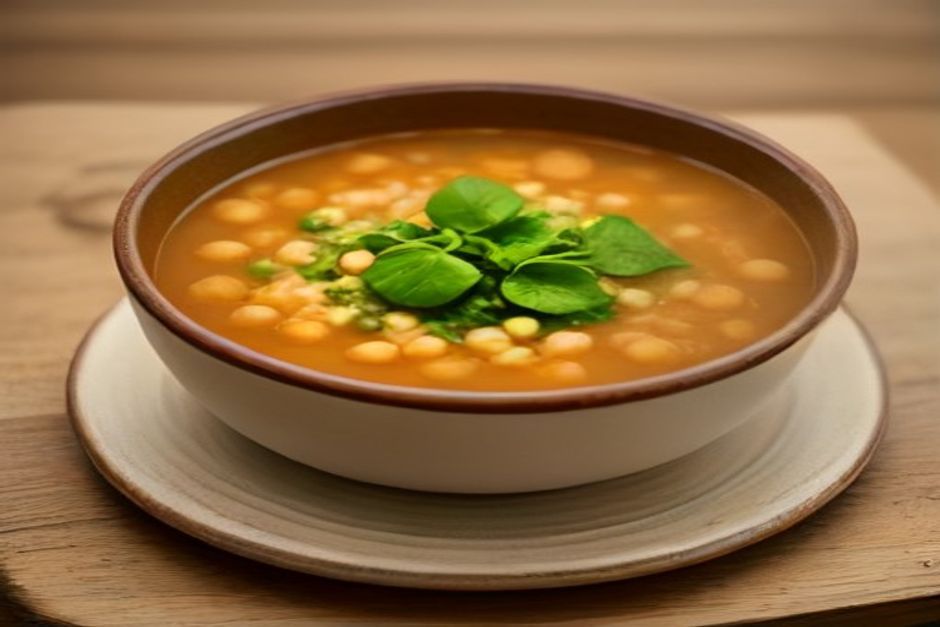
The post-practice dinner has a specific job description: warm, genuinely filling, decent protein, and light enough that you do not spend the rest of the evening horizontal on the couch regretting your choices. This stew fits the brief with boring reliability. Chickpeas bring protein and substance, spinach brings the virtue, tomato and cumin make it taste like you tried, and lemon at the end makes it taste like you tried well. Everything comes from cans and a bag of greens, and the whole thing is done in about half an hour — roughly the length of a short practice plus a shower.
Ingredients (serves 3–4)
- 2 cans (about 800 g total) chickpeas, drained and rinsed — save a splash of the can liquid if you like a thicker broth
- 1 large onion, chopped
- 3 cloves garlic, sliced
- 1 can (400 g) chopped tomatoes
- 1 teaspoon ground cumin, 1 teaspoon smoked paprika (or sweet paprika plus a pinch of chili), ½ teaspoon ground coriander
- 2 tablespoons olive oil
- About 150 g spinach — a few large handfuls; frozen works perfectly, no one will know
- 1 cup water or light vegetable stock, plus more as needed
- Half a lemon, juiced, plus wedges for serving
- Salt and black pepper
- Optional finishers: a spoonful of tahini stirred in, a drizzle of good olive oil, or a scatter of chopped parsley
Method
1. Soften the base. Warm the olive oil in a pot over medium heat. Add the onion with a pinch of salt and cook 6–8 minutes, until soft and going golden at the edges. Add the garlic for one minute more — garlic burns in the time it takes to check your phone, so stay near the pot.
2. Bloom the spices. Add the cumin, paprika, and coriander and stir for thirty seconds. This brief fry in oil is what makes the stew taste layered rather than dusty; spices wake up in fat, not in water.
3. Build the stew. Add the tomatoes and cook 4–5 minutes until they darken slightly and lose their raw, tinny edge. Then add the chickpeas and the water or stock. Simmer gently for 12–15 minutes. Around the halfway point, press a ladleful of chickpeas against the side of the pot to crush them — this thickens the broth from soup-adjacent to proper stew.
4. Wilt the greens. Stir in the spinach in handfuls; it will look like too much and then collapse into nothing, as spinach does. Two minutes for fresh, four for frozen. The stew should be thick but still spoonable — add a splash of water if it has set like concrete.
5. Finish off the heat. Kill the heat, then add the lemon juice, salt, and pepper. Lemon at the end, never the beginning: acid added early turns dull and the greens go khaki. Taste. It will probably want more salt than you think — chickpeas are sponges. If using tahini, stir it in now for a rounder, richer broth.
Serving and keeping
Serve as is, or over rice or a thick slice of toasted bread rubbed with garlic if the evening calls for ballast. It keeps four days in the fridge and improves overnight — the spices settle in and get along better by day two, which makes it ideal post-practice meal prep: cook once, eat after three practices. It also freezes well for a month; leave the spinach out if freezing and stir it in when reheating, if you care about color.
Why this combination works after yoga
No mysticism, just arithmetic. Chickpeas deliver protein and fiber, which means actual satiety rather than the fake fullness of a salad that leaves you raiding the cupboard at ten. The stew is warm and soft — easy on a body that just spent an hour being asked questions by hamstrings. And the fat content is modest but present, which matters more than the wellness internet admits: a completely fat-free dinner tends to produce a completely full refrigerator door an hour later. Our nutrition page covers the wider principles; this recipe is the weeknight application.
Variations that respect the recipe
- Heartier: add a diced carrot and celery stalk with the onion, or a chopped potato with the tomatoes (simmer five minutes longer).
- Greener: swap spinach for kale or chard; give kale a five-minute head start since it is made of stronger opinions.
- Spicier: a teaspoon of harissa or a chopped fresh chili with the garlic moves the whole pot north African in the best way.
- Creamier: blend a cup of the finished stew and stir it back in — restaurant texture, no cream.
- Dal direction: if you like this flavor logic pushed further, the red lentil dal is its faster-cooking cousin, and the winter soup handles the colder months.
One pot, one spoon, thirty minutes, nothing to clean but the chopping board. The best recipes for a practice are the ones that never give you a reason to skip either the cooking or the yoga — and this one, reliably, keeps both appointments.