Ask a yoga student to name the eight limbs and they'll usually get six: ethics, postures, breath, meditation, concentration, absorption. The one that goes missing is the fifth — pratyahara (प्रत्याहार), sense withdrawal. That's a shame, because it's the hinge of the whole system. Patanjali's list runs from the outer world to the inner one, and pratyahara is the door between the two. Skip the door, and you get the most common complaint in modern practice: "I sit down to meditate and my mind gets louder."
The root: drawing back the intake
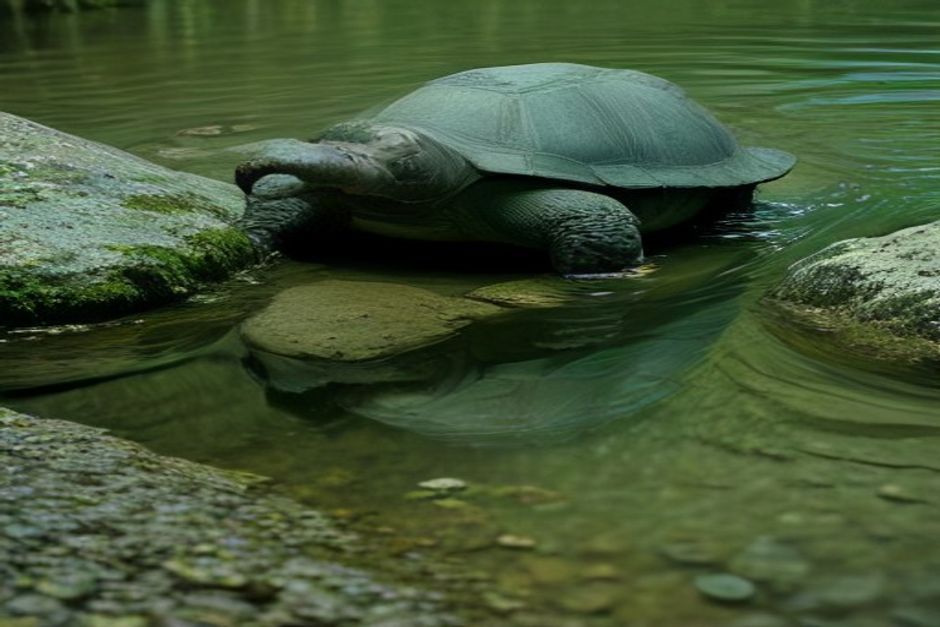
The word is built from prati ("against, back") and ahara ("intake, food" — the same word used for what you eat). So pratyahara is literally "drawing back what you take in." The classical image is the tortoise, which pulls its limbs into its shell: not dead to the world, just no longer extended into it. The senses still function — you still hear the traffic — but attention stops running out through every open channel to chase whatever arrives.
Patanjali defines it in a single sutra: when the senses stop grasping their objects and instead follow the nature of the mind itself, that is pratyahara. The next sutra adds the payoff: from this comes complete mastery over the senses — and the mind becomes fit for concentration.
Why it's the hinge
Think about what actually derails a meditation sit. It's rarely the chosen technique. It's a sound, an itch, the remembered email, the plan for dinner — sensory input and the reflexive reaching after it. The first four limbs (the yamas and niyamas, asana, pranayama) quiet the body and the breath. Pratyahara is the step that quiets the channels. Without it, you bring a fully open switchboard into the meditation room and then act surprised that it keeps ringing.
This is also why pratyahara is "forgotten" in a structural sense, not just a mnemonic one. Modern classes package yoga as movement plus a five-minute meditation at the end. The middle step — deliberately closing down input — doesn't photograph well and doesn't sell memberships. So students are asked to jump from stimulation to stillness with no transition, which is like asking a sprinting person to sleep.
Where you already practice it
You know this state better than you think:
- Savasana done well. Eyes closed, body still, sounds arriving and departing without pursuit. That isn't just rest — it's pratyahara training in disguise. See the variations in corpse pose variations.
- Yoga nidra. Yoga nidra is essentially guided sense withdrawal: the body sleeps while a thread of awareness stays watching.
- Trataka. Candle gazing works by flooding one sense with a single, neutral object until the others lose interest — pratyahara by overfeeding rather than closing.
- Ujjayi breath. The soft ocean sound of ujjayi gives the ears one thing to hold, which quietly demotes everything else.
Practicing it deliberately
A few honest, unspectacular methods:
- The arrival ritual. Before meditation, take two minutes to let each sense report and then stand down: notice the sounds in the room without naming them, the contact points of the body, the taste in the mouth, the darkness behind the eyelids. You're not blocking input; you're acknowledging it and declining to follow.
- Volume-knob breathing. With each exhale, imagine turning down the world's volume one notch. Ten breaths, ten notches. Corny, and effective.
- One-sense meals. Once a day, eat a few bites with no phone, no podcast, no conversation — just the food. This is pratyahara in its literal, "intake" sense, and it will show you how reflexively you reach for input.
- Digital dusk. The last half hour before bed, screens off. Not as a productivity hack — as sense withdrawal practice. The sleep benefits are a side effect.
What it is not
Pratyahara is not sensory deprivation, numbness, or zoning out. The tortoise's senses work fine inside the shell; it's attention that comes home. Nor is it a permanent stance toward the world — the tradition doesn't ask you to walk through life withdrawn. It asks for the skill of withdrawal, so that engagement becomes a choice instead of a reflex. You practice putting the switchboard on hold so that, when you answer, you're actually present for the call.
Pratyahara is not closing your ears. It's no longer letting every sound walk off with your attention.