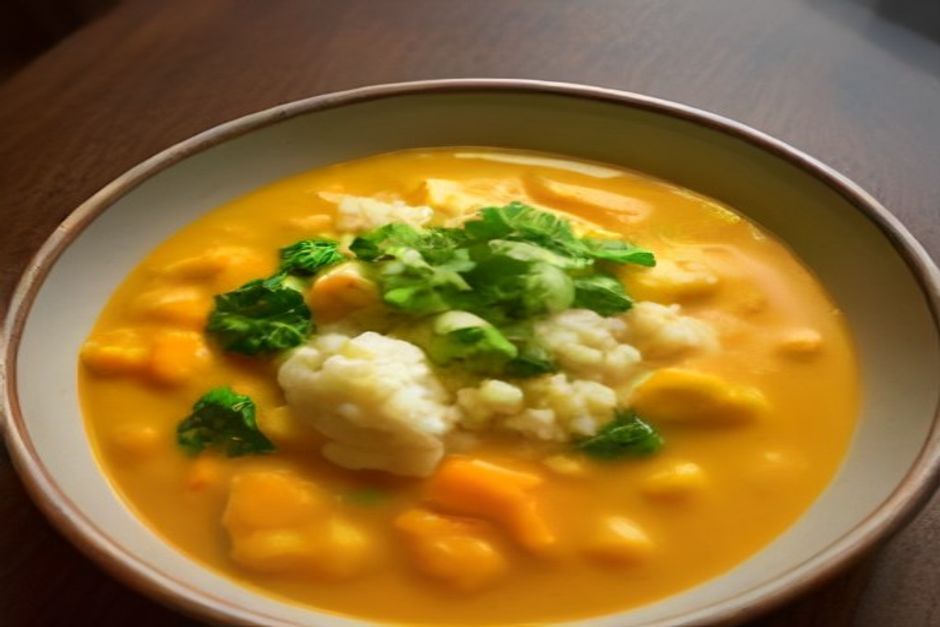
This is the recipe that ends the 6 p.m. stare into the refrigerator. One pan, one can of coconut milk, a spoonful of curry paste, and whatever vegetables are occupying your crisper drawer — including the ones past their prime. Thirty minutes later you have dinner, and it tastes like you tried much harder than you did.
It's in the same family as our chickpea stew and lentil dal: pantry-driven, forgiving, and better the next day. If you cook one thing this week, make it this.
Ingredients (serves 3–4)
- 1 tablespoon coconut or neutral oil
- 1 onion, chopped
- 3 cloves garlic, minced
- 1 thumb of ginger, grated (or 1 teaspoon ground)
- 2–3 tablespoons curry paste (red, yellow, or green — see notes) or 1 tablespoon curry powder
- 1 can (400 ml) coconut milk, full-fat
- 4–5 cups chopped vegetables — anything works: cauliflower, carrots, sweet potato, bell pepper, zucchini, green beans, spinach, frozen peas
- 1 cup water or vegetable stock, as needed
- 1 can of chickpeas, drained (optional, for protein)
- Juice of half a lime, salt to taste
- To serve: rice, and cilantro if you have it
Method
1. Start the rice first. The only way this takes 30 minutes is if the rice cooks while the curry does. Get it going before you chop anything.
2. Soften the base. Warm the oil in a large, deep pan over medium heat. Add the onion with a pinch of salt and cook 5 minutes until soft and sweet. Add the garlic and ginger, cook one more minute until the smell makes you hungry.
3. Bloom the paste. Add the curry paste and fry it in the oil for a minute, stirring. This step is the difference between curry that tastes bright and curry that tastes like warm coconut soup. Don't skip it.
4. Add vegetables in order of stubbornness. Hard vegetables first — sweet potato, carrot, cauliflower — with a splash of water. Five minutes later, the medium ones: bell pepper, zucchini, green beans. Leafy things like spinach go in at the very end, where they wilt in thirty seconds. Frozen peas don't care when they arrive.
5. Coconut milk and simmer. Pour in the coconut milk, add the chickpeas if using, and top up with water or stock until the vegetables are just barely covered. Simmer gently — not a rolling boil, which can split the coconut milk — for 12–15 minutes, until the hardest vegetable yields to a fork.
6. Finish and correct. Off the heat: lime juice, then taste. Needs salt? Salt. Flat? A bit more lime. Too spicy? A spoonful of coconut milk or a pinch of sugar. Too mild? More paste stirred in now still works; it just won't be quite as deep.
Notes from a cook who makes this weekly
- Paste vs powder: Jarred Thai curry paste (red, yellow, green) gives the biggest flavor for the least work. Indian-style curry powder works fine — add it with the ginger, and consider a chopped tomato for body. Both are legitimate. This is dinner, not a dissertation.
- The fridge-rescue principle: Limp carrots, half a cauliflower, the zucchini you forgot — all welcome. Curry is the kindest destination for vegetables that are running out of time. The only rule is cooking order: hard first, soft last.
- Protein options: Chickpeas are the default. Cubed tofu goes in with the coconut milk. Leftover cooked chicken can be stirred in at the end if your household isn't vegetarian.
- Thickness: Too thin, simmer uncovered a few minutes. Too thick, add water. Curry forgives.
- Tomorrow's lunch: It thickens and deepens overnight in the fridge and reheats perfectly. Making a double batch is not greed; it's planning.
The yoga-kitchen connection, briefly
We don't do detox talk on this site, and this curry doesn't cleanse anything except your conscience about that cauliflower. What it does do is make it easy to eat a large pile of vegetables on a Tuesday, which — as we argue on the nutrition page — is what most "yogic eating" advice boils down to once you strip away the mystique. Warm, spiced, vegetable-forward food that you actually want to eat beats an austere ideal you abandon by Thursday. If you like this style of cooking, the buddha bowl and miso soup run on the same low-friction philosophy.
Serve it over rice, in a bowl, eaten slowly. If you just came off the mat, even better — appetite after practice is honest, and this meal answers it properly.